The Relic First Guardian Arsiltus World & Map
A semi-open ruin where roads, notes, and dungeons replace glowing quest markers.
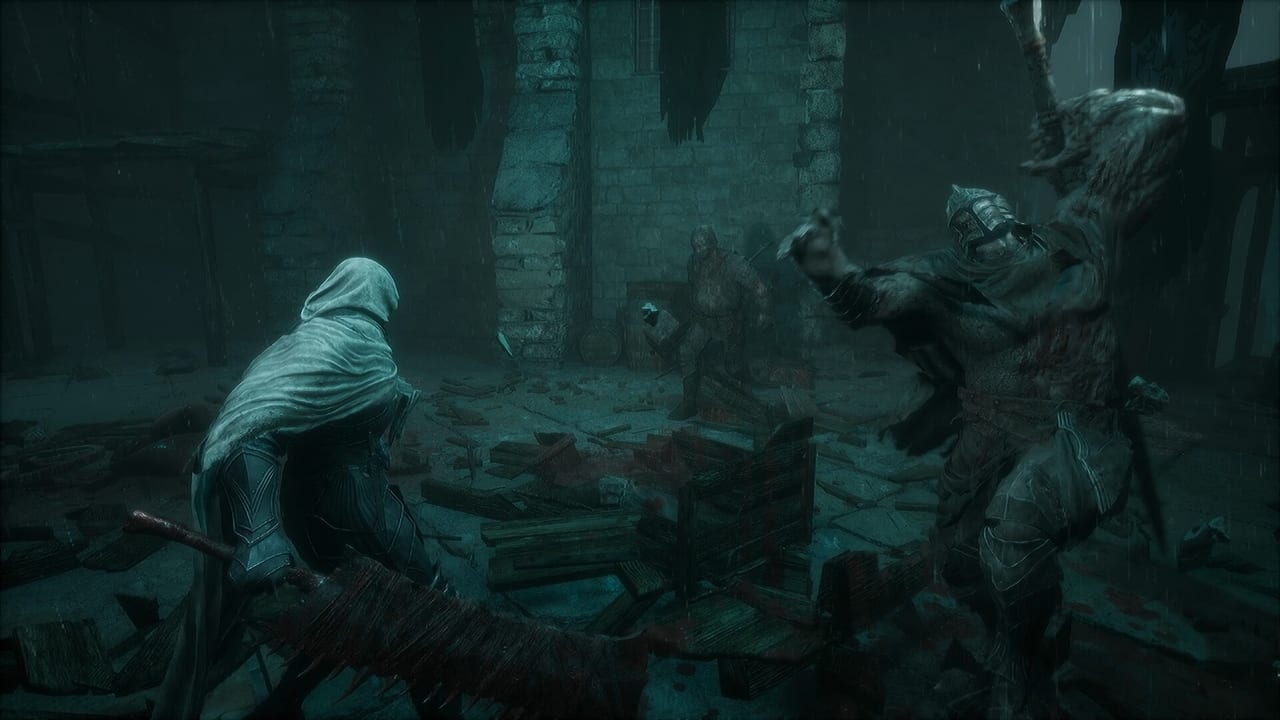
The world of Arsiltus is not a theme-park checklist. Previews describe a semi-open map bounded by cliffs, with loose forward progression and branching side routes. There is no glowing trail dragging you to every objective. You follow faint roads, listen to notes, and let curiosity pull you into dungeons that expand what you can reach. This guide explains how to navigate that structure, how checkpoints work, and how exploration feeds the Relic progression loop.
Pair this with Getting Started for first-hour routing and Bosses and Brutals for the stories waiting at the end of many paths.
Semi-open, not endless empty fields
Writers comparing the game to larger open-world soulslikes note that The Relic: First Guardian feels tighter. High cliffs and authored spaces keep you pointed toward meaningful encounters while still allowing detours. That is good news if you dislike fifty identical caves — and a warning if you expected pure Elden Ring scale.
Navigation habits that pay off:
- Climb for sightlines before committing to a valley
- Mark mental landmarks: burning houses, merchant roads, rune stones, cliff gates
- When a road forks, clear the quieter branch first so you return to the main path with more materials
Tibelle’s Blessing as your map spine
Yellow rune-etched stones offering Tibelle’s Blessing are the checkpoint network. They restore health, refill Breath of Esser, and function as respawn points. Some also act as limited fast-travel anchors. String your exploration between these stones the way other games string Sites of Grace — but remember early coverage says resting does not simply replay the classic “enemies all respawn” loop. That changes farming plans and makes careful clearing more permanent.
Notes are navigation
Fully voiced notes and environmental storytelling do more than deliver lore. They tell you who died nearby, which Brutal you may meet, and why a side shack matters. If a mother writes about a son who left for treasure, treat that as a map pin toward a regret spirit — the Prodigal Bound in Dust sequence in combat deep-dives is the template.
Reading tip: loot the note, then scan the immediate radius before you sprint away. The punchline is usually within walking distance.
For the dedicated Event Trail loop — Sealing Stones, Relic Energy altars, and folklore chapters like the Pond of Mighty Greed — read Sealing Stones and Events (official exploration trailer embedded there).
Dungeons as world keys
Dungeon completion is tied to character growth and world expansion. Think of each dungeon as both a Relic engine and a gate key. If the main road feels locked, you are probably missing a dungeon clear, a Brutal trophy, or a traversal tool behind a side path — not a missing quest marker.
Inside dungeons:
- Watch for explosive barrels and enemy camps already distracted
- Spend Ancient Relic Energy on the weapon you are committed to
- Leave only when you have a new passive, material, or route unlock to show for it
Combat geography
Exploration enemies range from bandits to twisted monsters. Some looters gather around campfires; some fight each other. Use verticality and barrels. A smart approach from the combat guide starts before lock-on.
Merchants, blacksmiths, and safe pockets
Trailers mention merchants on the road and children at camps — survivors who give the violence stakes. Blacksmiths turn coins and materials into real power because gear is unique. Budget exploration time for vendor stops; a single upgrade can matter more than another optional skirmish.
Region storytelling themes
The setting draws on Asian folklore and Korean mythology rather than default European dark fantasy. Expect emotional themes — regret, hunger, broken vows — to appear in both landscape dressing and Brutal design. When the land feels quiet, that silence is content.
Practical exploration checklist
- Leave a Tibelle’s Blessing with full heals
- Choose a road and a timebox (30–40 minutes) so you do not soft-wander forever
- Collect notes and materials first, elites second
- Clear a dungeon when the path offers one
- Reassess Relics at the next safe stone — Relics and builds
- If stuck, check whether a Brutal is the actual gate — boss guide
Map tools on this wiki
We do not invent fake interactive map pins. Until community maps mature post-launch, use this guide plus the updates hub for route changes, and the official links page for developer map reveals. The countdown tool helps you plan launch-evening exploration sessions.
Related reading
- Controls
- Tier List hub for gear goals while exploring
- Review for how preview builds paced the opening hours
Arsiltus rewards Guardians who look twice. Walk the road, read the dead, clear the dungeon, rest at the rune stone — then decide which memory you will carry into the next Brutal.
Frequently Asked Questions
Quick answers to the most common questions.
Is The Relic: First Guardian a full open world?
It is best described as semi-open: authored regions with branches and cliffs, not an endless unmarked sandbox.
Do enemies respawn when I rest?
Early hands-on coverage indicates resting at Tibelle's Blessing does not follow the classic bonfire full-respawn pattern. Confirm behavior in your build after launch.
How do I know where to go?
Follow roads, notes, and dungeon rewards. There is no constant glowing trail — curiosity is the compass.
Why should I explore side paths?
Side routes feed materials, Relics, story, and sometimes the key to expand the main map. See [Relics and builds](/guides/relics-and-builds/) for why those finds matter.